Lung Tumor Symptoms In Dogs - Lung Cancer in Dogs - Symptoms, Causes, Treatment : You may only notice a bit of weight loss or low energy levels.. Extranodal lymphoma in dogs refers to lymphoma that targets a specific organ, such as the skin, eyes, kidneys, lungs, or central nervous system. Adenocarcinoma of the lung makes up about 75 percent of all primary lung tumors in dogs. The following diagnostics are recommended: Pulmonary tumors description — primary lung cancer may arise from any part of the lung but neoplasm of the conducting airways or alveolar parenchyma (functional part of the lungs consisting of the alveoli) are the most common.it accounts for 1% of all neoplasms reported in dogs. The most common sign of lung cancer in dogs is a chronic cough.
But it's rare that a chronic cough in your dog will be a sign of lung cancer. It is estimated that 25% of dogs with a lung tumor show no related signs of cancer. Labored breathing that impacts their daily life frequent coughing or coughing up fluid/blood When lung cancer is caught early, you may not notice any symptoms at all. This is a malignant neoplasm, with the ability to grow rapidly and metastasize to distant parts of the body, including the organs, lymph nodes, bones, brain and eyes.
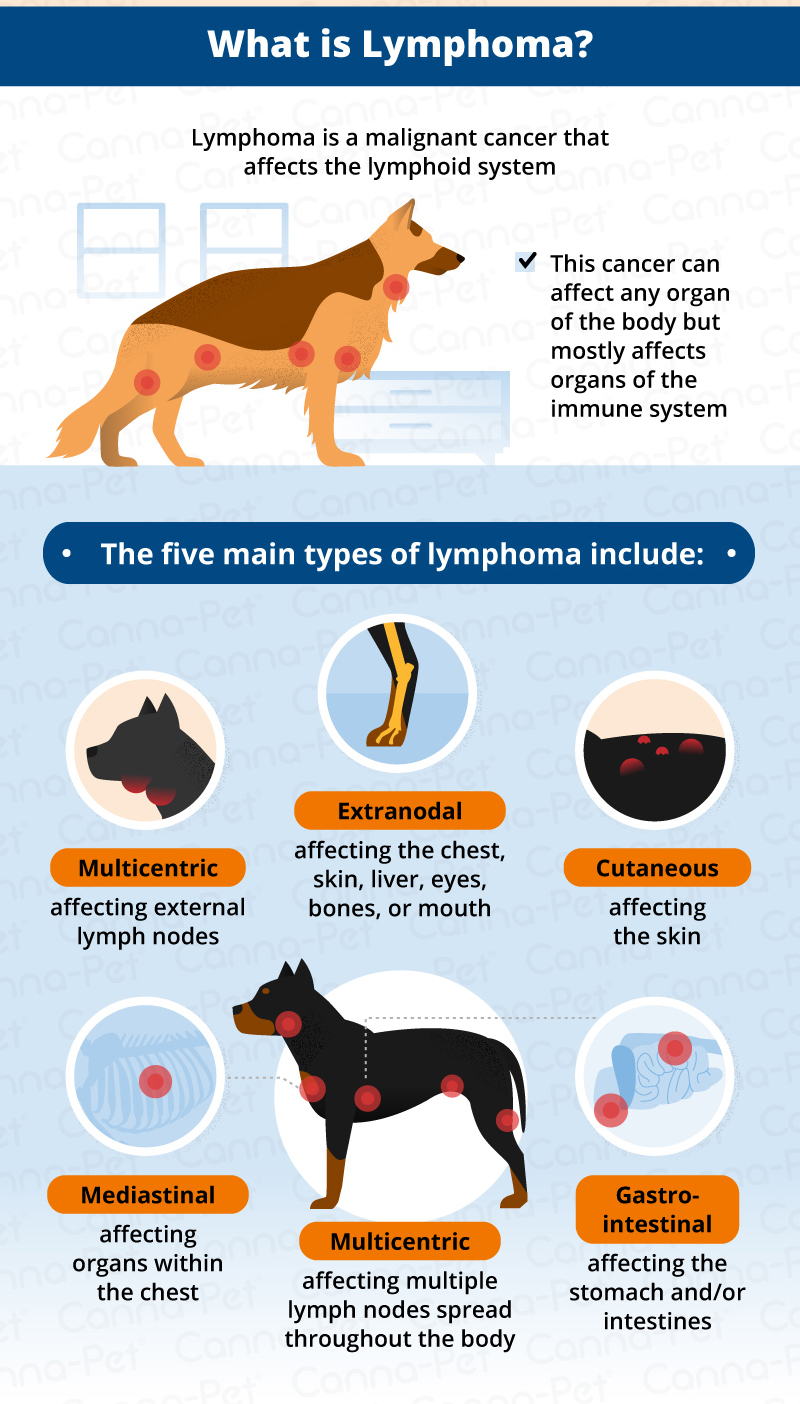
Lymphoma in Dogs | Canna-Pet from canna-pet.com It is estimated that 25% of dogs with a lung tumor show no related signs of cancer. The dog is not coughing up mucus) although the cough may produce small amounts of phlegm or blood. Weight loss typically occurs because of the metabolic demands of the tumor, or because your dog is in pain and discomfort, resulting in anorexia and decreased activity. The most common extranodal lymphoma affects the. The dog will display symptoms such as coughing blood and breathing difficulties, due to the tumors which may affect the trachea. Surgery can be a viable option, but if the tumor has spread, it may not be effective. You may only notice a bit of weight loss or low energy levels. Labored breathing that impacts their daily life frequent coughing or coughing up fluid/blood
The most common extranodal lymphoma affects the.
Primary lung tumors, also known as pulmonary tumors, are frequently malignant and require surgery to remove both the growth and a significant portion of the lung. The most common signs in dogs include coughing, weight loss, lethargy, and labored breathing. Unlike some other types of cancer, there are some concerning symptoms that arise in the earlier stages of primary lung cancer for dogs that should immediately alert you that something is wrong. A lung transplant may be possible, but the surgery has several risks and may not be successful. Primary lung tumors have variable signs, which depend on the location of the tumor, rate of tumor growth, and the presence of previous or current lung disease. Symptoms of lung cancer (adenocarcinoma) in dogs there are many symptoms that are general in nature, such as weakness and loss of appetite, so it is sometimes difficult to know when your dog is really ill enough for a trip to the veterinarian's office. On top of dogs presenting symptoms derived from the primary tumor, in advanced cases, dogs will also show signs of lung cancer. Surgery can be a viable option, but if the tumor has spread, it may not be effective. The most common sign of lung cancer in dogs is a chronic cough. Signs and symptoms of lung cancer in dogs what symptoms will manifest depends on the type of lung cancer your dog has developed and where exactly it may have spread to. In dogs, lung tumors are difficult to treat. Primary lung cancer is commonly carcinoma, a malignant tumor and typically attacks older dogs. This is a malignant neoplasm, with the ability to grow rapidly and metastasize to distant parts of the body, including the organs, lymph nodes, bones, brain and eyes.
Primary lung cancer is commonly carcinoma, a malignant tumor and typically attacks older dogs. A lung transplant may be possible, but the surgery has several risks and may not be successful. You may only notice a bit of weight loss or low energy levels. It is estimated that 25% of dogs with a lung tumor show no related signs of cancer. The most common sign of lung cancer in dogs is a chronic cough.
Dog with lung cancer - YouTube from i.ytimg.com Primary lung tumors, also known as pulmonary tumors, are frequently malignant and require surgery to remove both the growth and a significant portion of the lung. A lung transplant may be possible, but the surgery has several risks and may not be successful. Surgery is no longer an option, but the dog can get chemotherapy to delay metastasis. The most common sign of lung cancer in dogs is a chronic cough. Surgery can be a viable option, but if the tumor has spread, it may not be effective. It may be time to put down your dog with lung cancer if they are experiencing any of the below signs: Primary lung cancer is commonly carcinoma, a malignant tumor and typically attacks older dogs. The dog will display symptoms such as coughing blood and breathing difficulties, due to the tumors which may affect the trachea.
Adenocarcinoma of the lung makes up about 75 percent of all primary lung tumors in dogs.
Metastatic lung tumors are tumors originating from a cancer elsewhere in the body which has spread to the pet's lungs. Pulmonary tumors description — primary lung cancer may arise from any part of the lung but neoplasm of the conducting airways or alveolar parenchyma (functional part of the lungs consisting of the alveoli) are the most common.it accounts for 1% of all neoplasms reported in dogs. Lung cancer in dogs is almost always a secondary cancer, having spread from an initial cancer location into the lungs. Primary lung tumors, also known as pulmonary tumors, are frequently malignant and require surgery to remove both the growth and a significant portion of the lung. Weight loss typically occurs because of the metabolic demands of the tumor, or because your dog is in pain and discomfort, resulting in anorexia and decreased activity. Signs of lung cancer in dogs many dogs with a lung tumor show no related symptoms, while other dogs may display one or more of the following symptoms depending on the size and location of the tumor: Adenocarcinoma of the lung makes up about 75 percent of all primary lung tumors in dogs. Most dogs with lung tumors present with coughing, exercise intolerance or other respiratory signs. The most common sign of lung cancer in dogs is a chronic cough. The most common extranodal lymphoma affects the. Much like humans, dogs can get colds and flu. Signs and symptoms of lung cancer in dogs what symptoms will manifest depends on the type of lung cancer your dog has developed and where exactly it may have spread to. Surgery is no longer an option, but the dog can get chemotherapy to delay metastasis.
Or it may be because of congestive heart failure. When symptoms do become evident they can include any of the following depending on the size and location of the tumor: Signs of lung cancer in dogs many dogs with a lung tumor show no related symptoms, while other dogs may display one or more of the following symptoms depending on the size and location of the tumor: Labored breathing that impacts their daily life frequent coughing or coughing up fluid/blood Extranodal lymphoma in dogs refers to lymphoma that targets a specific organ, such as the skin, eyes, kidneys, lungs, or central nervous system.
Lung Cancer in Dogs: Symptoms, Diagnosis & Treatment ... from cdn.shopify.com Signs and symptoms of lung cancer in dogs what symptoms will manifest depends on the type of lung cancer your dog has developed and where exactly it may have spread to. It is estimated that 25% of dogs with a lung tumor show no related signs of cancer. Unlike some other types of cancer, there are some concerning symptoms that arise in the earlier stages of primary lung cancer for dogs that should immediately alert you that something is wrong. Weight loss typically occurs because of the metabolic demands of the tumor, or because your dog is in pain and discomfort, resulting in anorexia and decreased activity. Cancer of the lungs is a progressive disease, meaning it gets worse over time. Pulmonary tumors description — primary lung cancer may arise from any part of the lung but neoplasm of the conducting airways or alveolar parenchyma (functional part of the lungs consisting of the alveoli) are the most common.it accounts for 1% of all neoplasms reported in dogs. The most common sign of lung cancer in dogs is a chronic cough. A lung transplant may be possible, but the surgery has several risks and may not be successful.
When lung cancer is caught early, you may not notice any symptoms at all.
The most common signs in dogs include coughing, weight loss, lethargy, and labored breathing. Adenocarcinoma of the lung in dogs. Labored breathing that impacts their daily life frequent coughing or coughing up fluid/blood The most common extranodal lymphoma affects the. Symptoms of lung cancer in dogs in the absence of diagnostic testing, it can be challenging to detect lung cancer in dogs. On top of dogs presenting symptoms derived from the primary tumor, in advanced cases, dogs will also show signs of lung cancer. The following diagnostics are recommended: It is estimated that 25% of dogs with a lung tumor show no related signs of cancer. The dog is not coughing up mucus) although the cough may produce small amounts of phlegm or blood. The most common abnormal clinical sign reported in dogs with lung cancer is chronic cough. The canine versions of these illnesses can have many of the same symptoms as they do in humans, and they can lead to much more serious illnesses if not. Cancer of the lungs is a progressive disease, meaning it gets worse over time. Primary lung tumors have variable signs, which depend on the location of the tumor, rate of tumor growth, and the presence of previous or current lung disease.